…trot into the air-conditioned trailer and sit down at the computer. On second thought, “nap time” (2:30 PM).





 Wide awake at 2:15 AM. I was so tired (yesterday) because of lack of sleep. I went to bed at 10:00 PM and GRATEFULLY slept for two hours. “Awake” at 12:15 and I tossed and turned (and pleaded for sleep) until 2:10. I got up (obviously) and I’m complaining to this—my journal. I turned on the TV hoping by some miracle TBN was again available—but that crappy TCT programming. ~~ This time last night, there was a horrible rainstorm. I learned (thanks to a phone call from a neighbor yesterday afternoon) my American flag was on the ground. I rushed out to rescue my flag (because I am very patriotic and “don’t let the flag touch the ground”) and it is very dirty. The wind, last night, broke the wood flag pole at the bracket. Using the garden hose (yesterday afternoon), I tried to clean the flag but the muddy grime won’t wash off. Later today, I’ll wash the flag, indoors, in my machine.

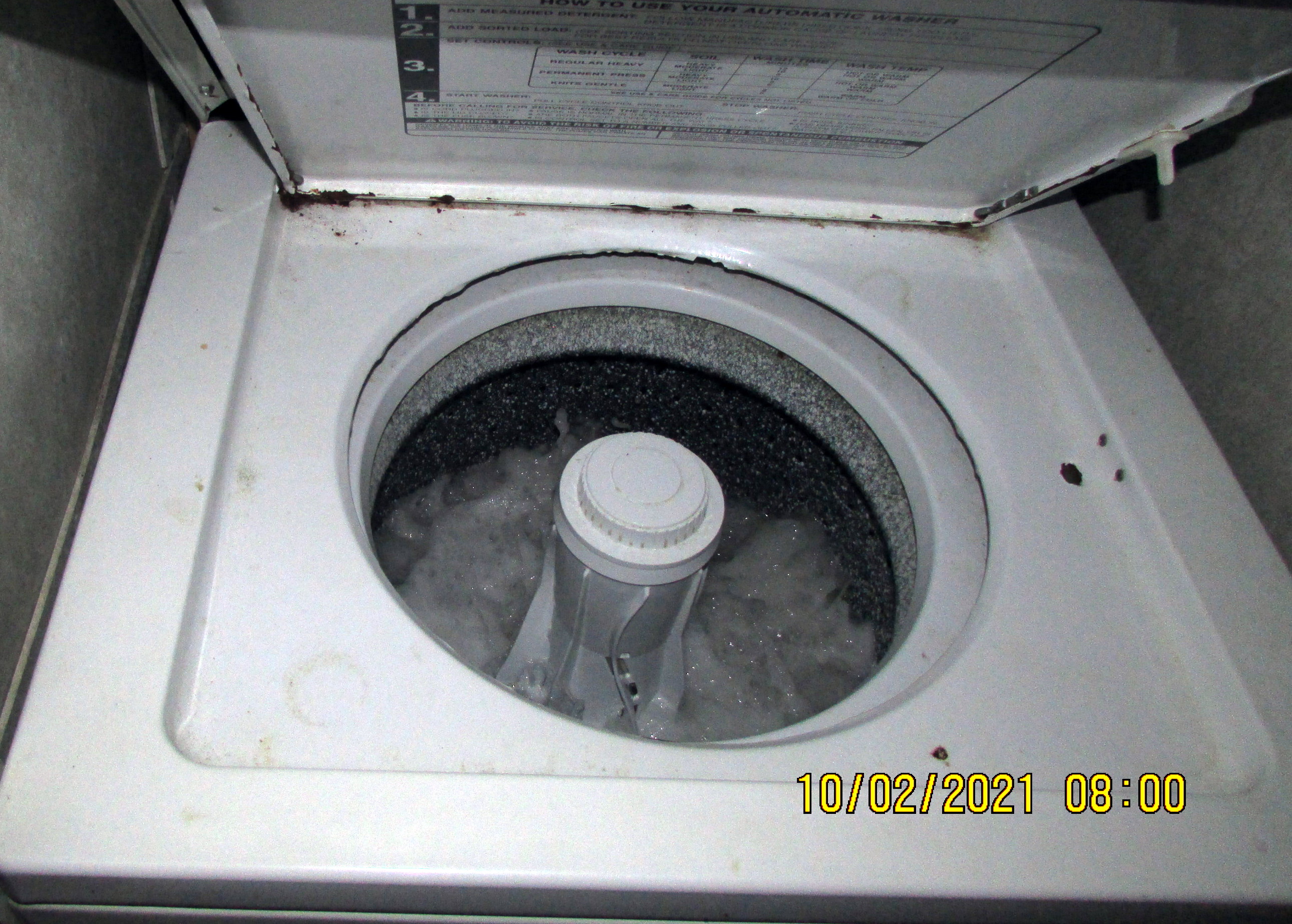 The picture of the flag (left) doesn’t show the “brown” spots.


 The Postal Service hike in rates goes into effect on Monday, Oct 3rd. I’m not going to rush to the Post Office (today) with the two very heavy boxes. I didn’t get a good night’s sleep (due to the horrible rainstorm) and I’m too tired to venture into the horrible Waco traffic. On Monday, or Tuesday, I’ll just “feel good” about contributing to a worthy cause. 😉


Women of Guilford County, North Carolina, A Study of Women’s Contributions 1740-1979 (pp. 48-49), by Paula Stahls, Author, and Kathy Warden Manning, Researcher. Published by Women of Guilford, 1979. ~~ The following excerpt was copied by Lorraine Frantz Edwards, from a photocopy from the book in the Lilly Library, Earlham College, Richmond, Indiana, USA. (Alethea Fluke Coffin [1798-1891] is Lorraine’s third great-grandmother.)
Alethea Fluke Coffin came from the land, a woman for whom farming was deeply rewarding and often the only available means of survival. Yet she spent years assisting runaway slaves to freedom, and young women to better educations, before allowing herself the pleasure of her own farm in Indiana.
She was of ancient Irish lineage, a descendant of the aboriginal Albanoid race, the last of whom are said to have come to America in 1787. Her son Addison Coffin claimed to have inherited from her some interesting characteristics of that race: a talent for the “second sight” and what he called a “wonderfully retentive memory and fluent tongue.”
Alethea Fluke was born in 1798 at Big Springs, two miles west of present-day Greensboro, but little is known of her until one November day in 1817 when she married Vestal Coffin and joined the Membership of Friends at Sandy Creek. Shortly afterwards the two moved to New Garden, where Vestal struck upon the idea of the Underground Railroad in 1819. Undoubtedly, Alethea helped organize the Railroad and covered for Vestal’s absences as he served as one of its first “conductors.”
Vestal died in the fall of 1826, leaving Alethea, also ill and very weak, with four small children to care for and no provision made for the coming winter. There followed a time of bitter cold, hunger, and terrible poverty, but even in the depths of that miserable winter, Alethea never ceased caring for the less fortunate. She took in homeless boys, washed for them, nursed them, and fed them together with her own children. When she and her family somehow survived, she began to believe that absolutely anything one attempted could be done. Perhaps it was this belief that gave her the courage to continue Vestal’s work with the Underground Railroad.
The Coffin farm is said to have been the primary depot in the Guilford College area, and according to Addison Coffin, his mother took Vestal’s place in running it until he and his brother were old enough to relieve her of that duty. The work involved counseling and assisting the runaways, feeding them, hiding them about the farm, then directing them to the next agent to the north. Considering her self-reliance in other ventures, one wonders if this sturdy farm woman might have conducted some of the blacks along the route herself.
As the years passed and more and more of her neighbors moved to the western settlements, Alethea began to feel the urge to go with them to see the new country and to work for abolition on the northern end of the Railroad. Through rigid saving and a loan from her brother-in-law, she managed to accumulate the hundred dollars needed for an eighty-acre farm in Indiana and joined a wagon train traveling west across the mountains.
Once there, she set out alone on horseback to visit friends and relatives from North Carolina and look for good property. She scoured the land for a hundred miles around, found her farm, then rode back to North Carolina planning to move to the new homestead within two or three years.
Instead, in 1849, she became Matron at the New Garden Boarding School, employing her own good education and common-sense skill of economy and management as driving principals for its success. In expressing his gratitude Dr. Nereus Mendenhall called her a “model of carefulness and economy.”
It was 1852 before she moved at last to the farm in Indiana. There, in addition to the work that she undoubtedly continued with the Underground Railroad, Alethea served for nine years as assistant matron at Earlham College in Richmond. Her last years were spent peacefully spinning, knitting, pruning her fruit trees, and doing the farm work she loved…anything to keep from the idleness she could not bear. The strength which had been hers throughout her life kept her healthy and active to the age of ninety-three. Her hair never grayed, her sight never failed, and her energy remained undiminished.
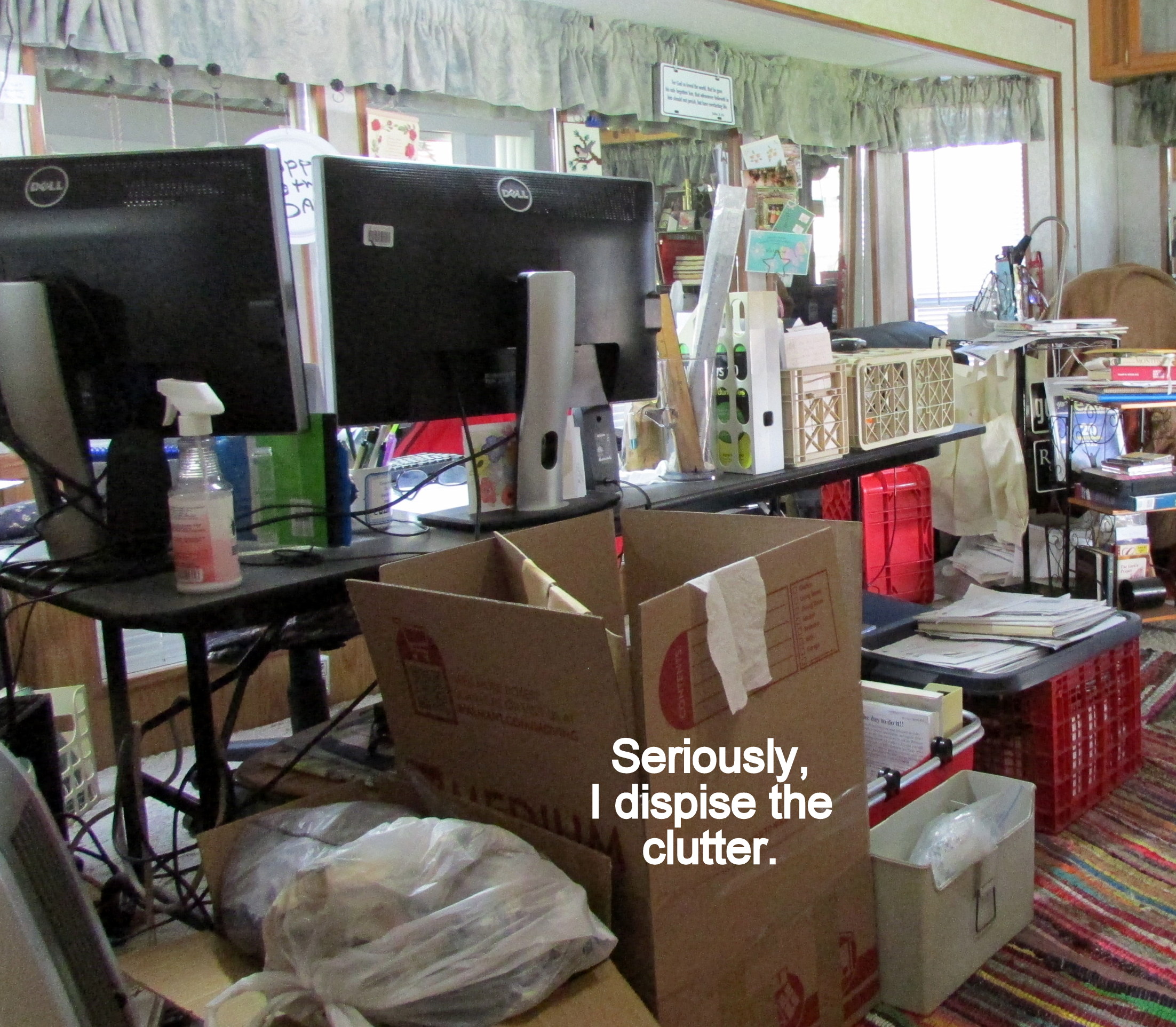


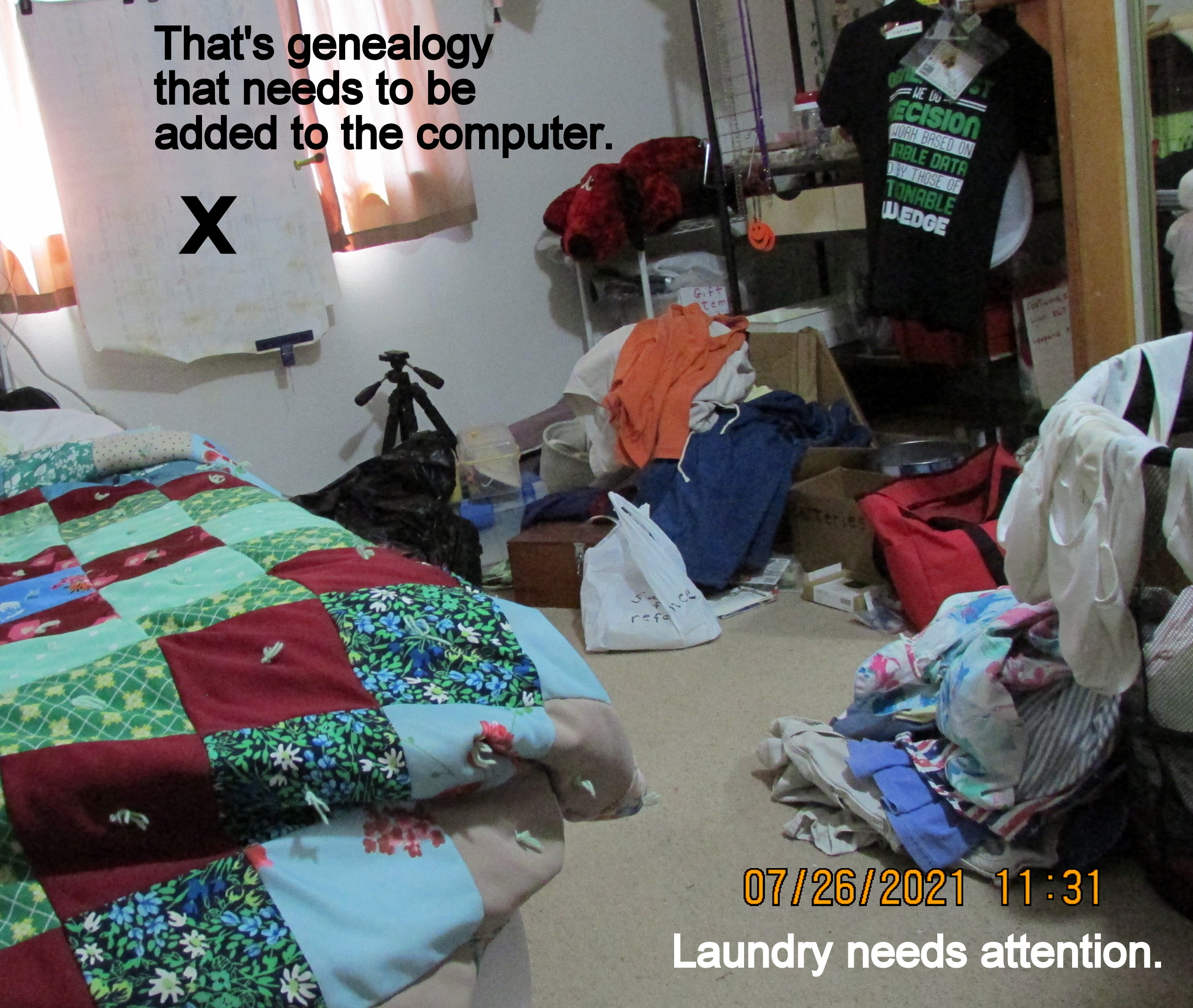

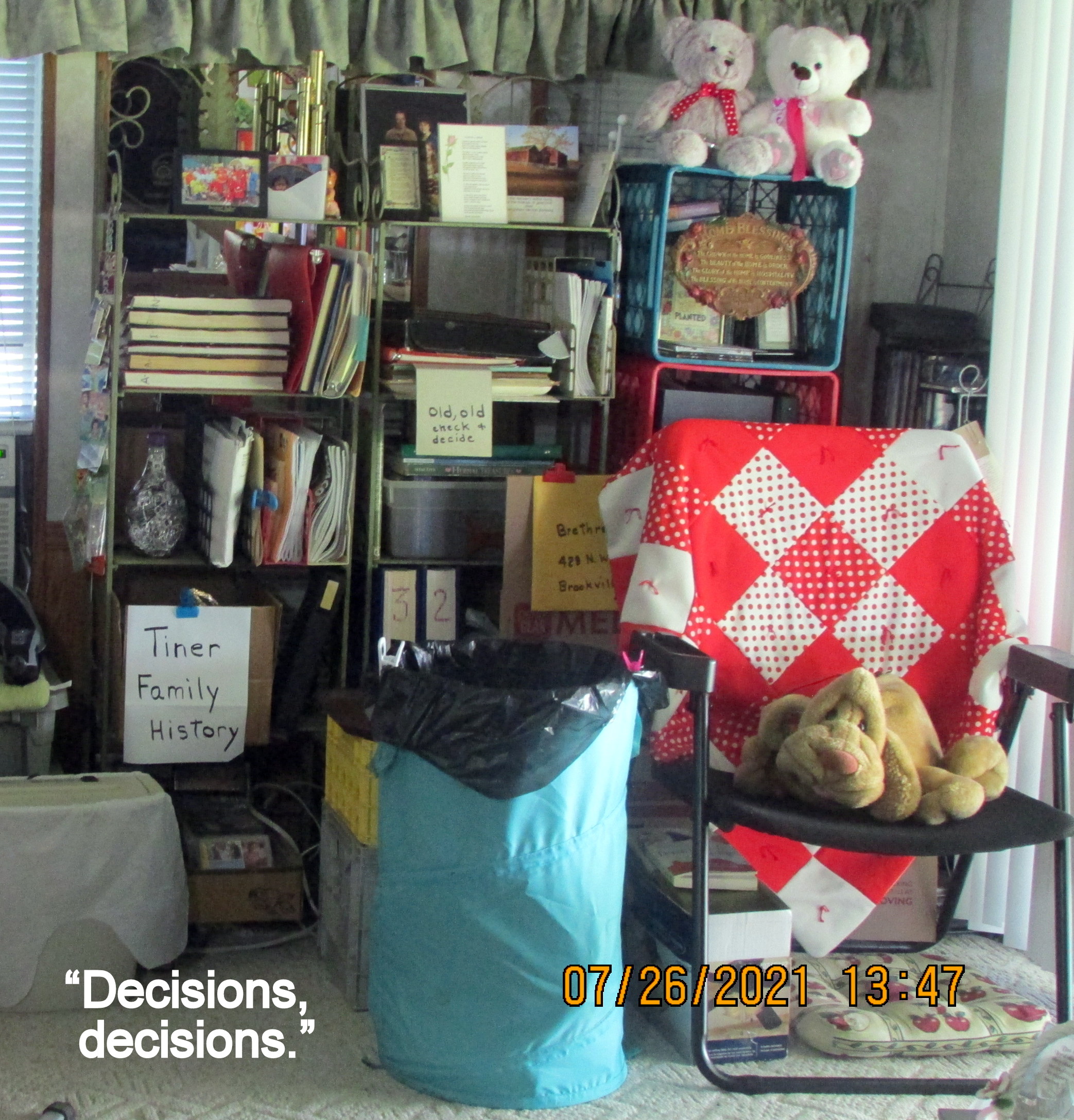
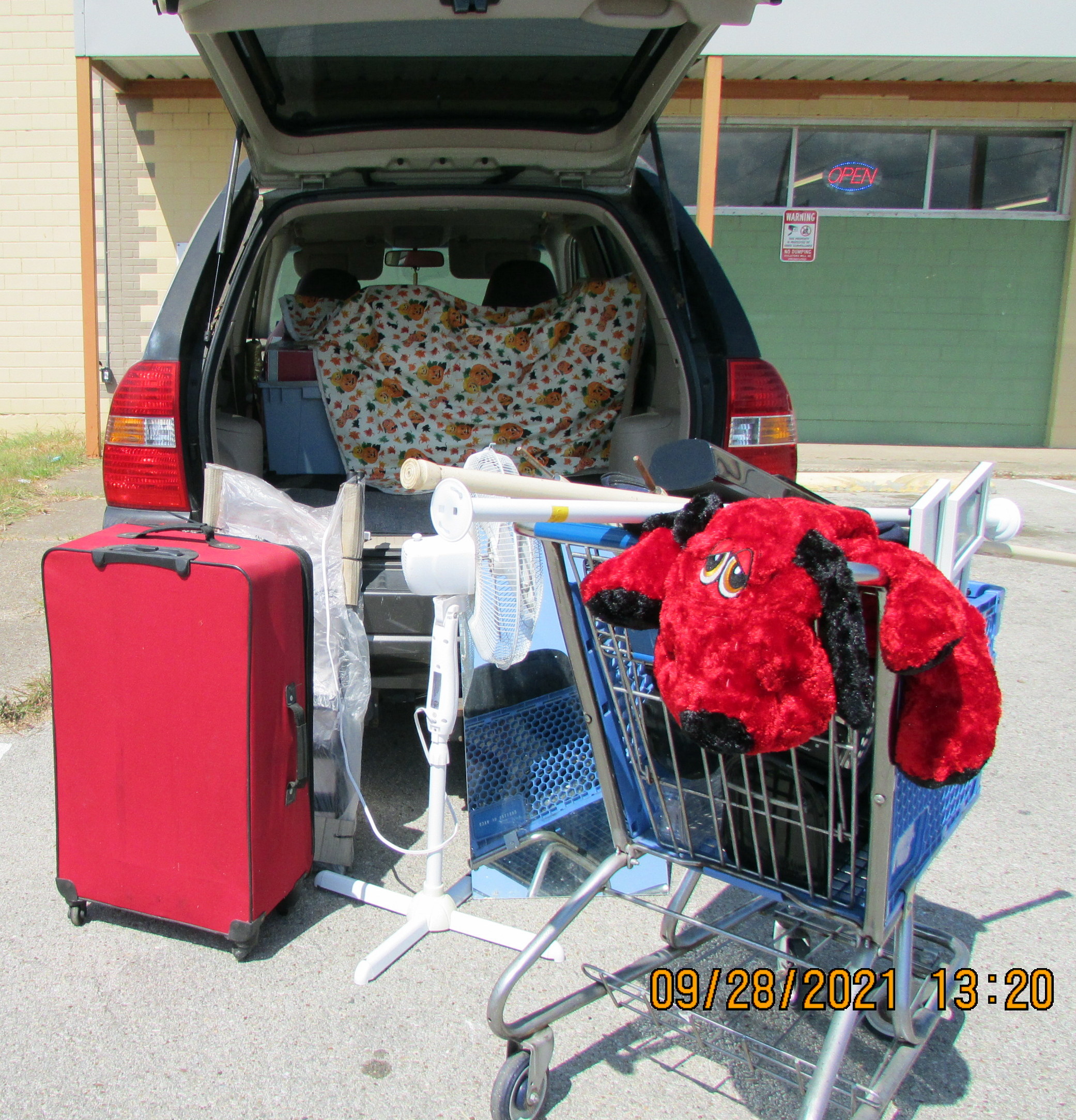
 Above, all the clutter in earlier months. Below, the progress I’ve made in nine weeks. ~~ Discards and donations.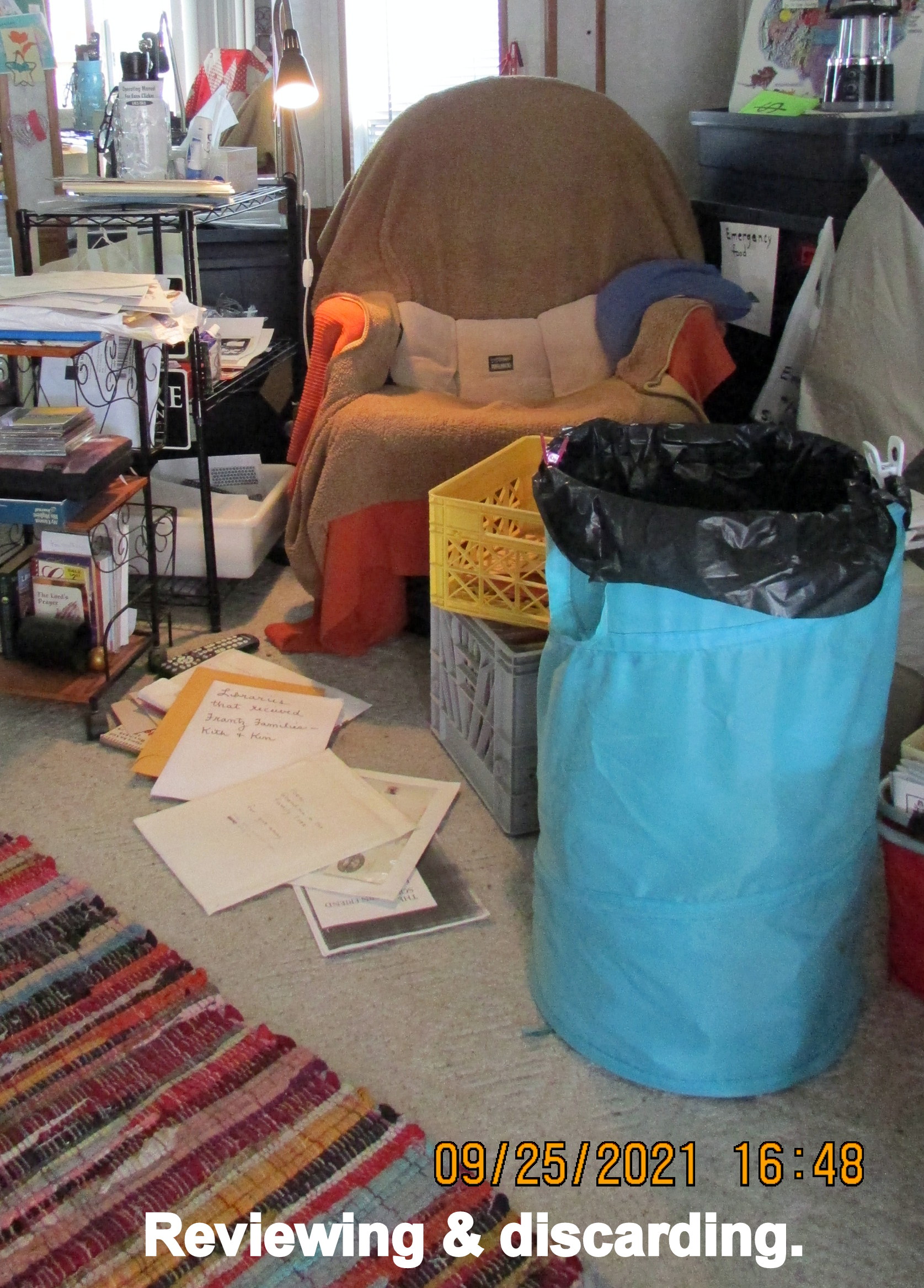


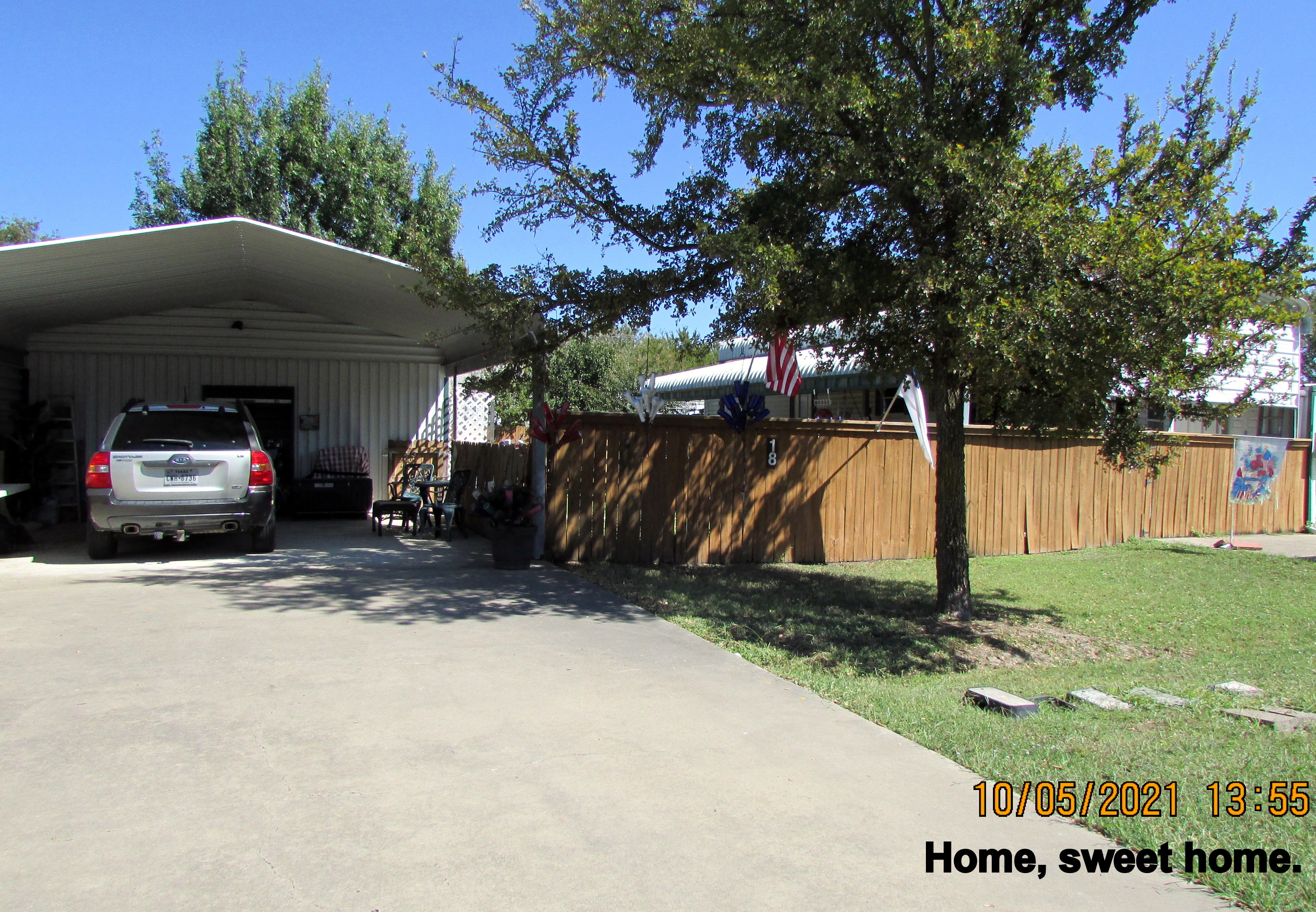
 Hopefully, before the end of the year, I’ll publish pictures of less clutter in the carport and the storage area.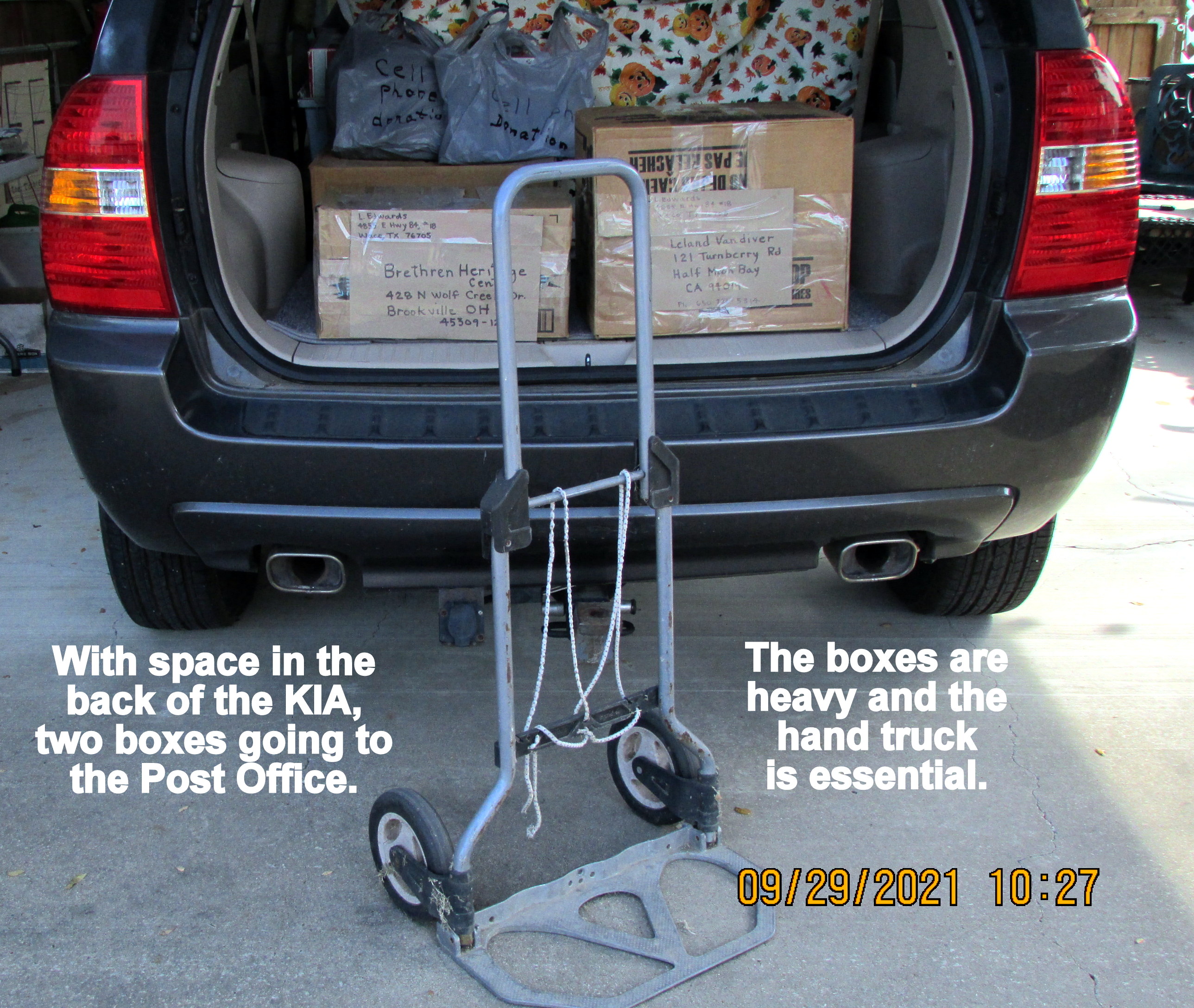






 Three Quarters & Counting