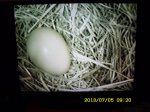
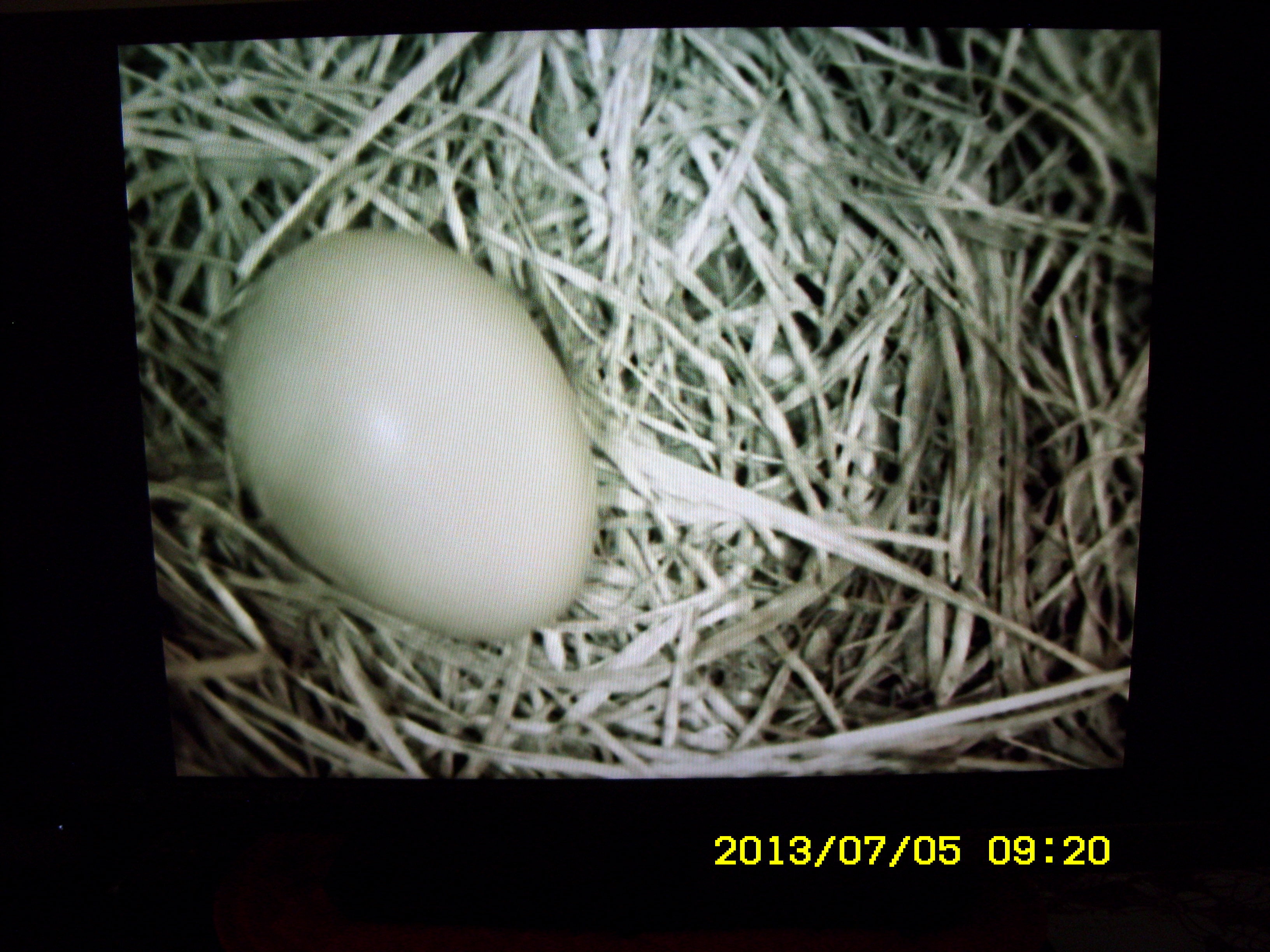
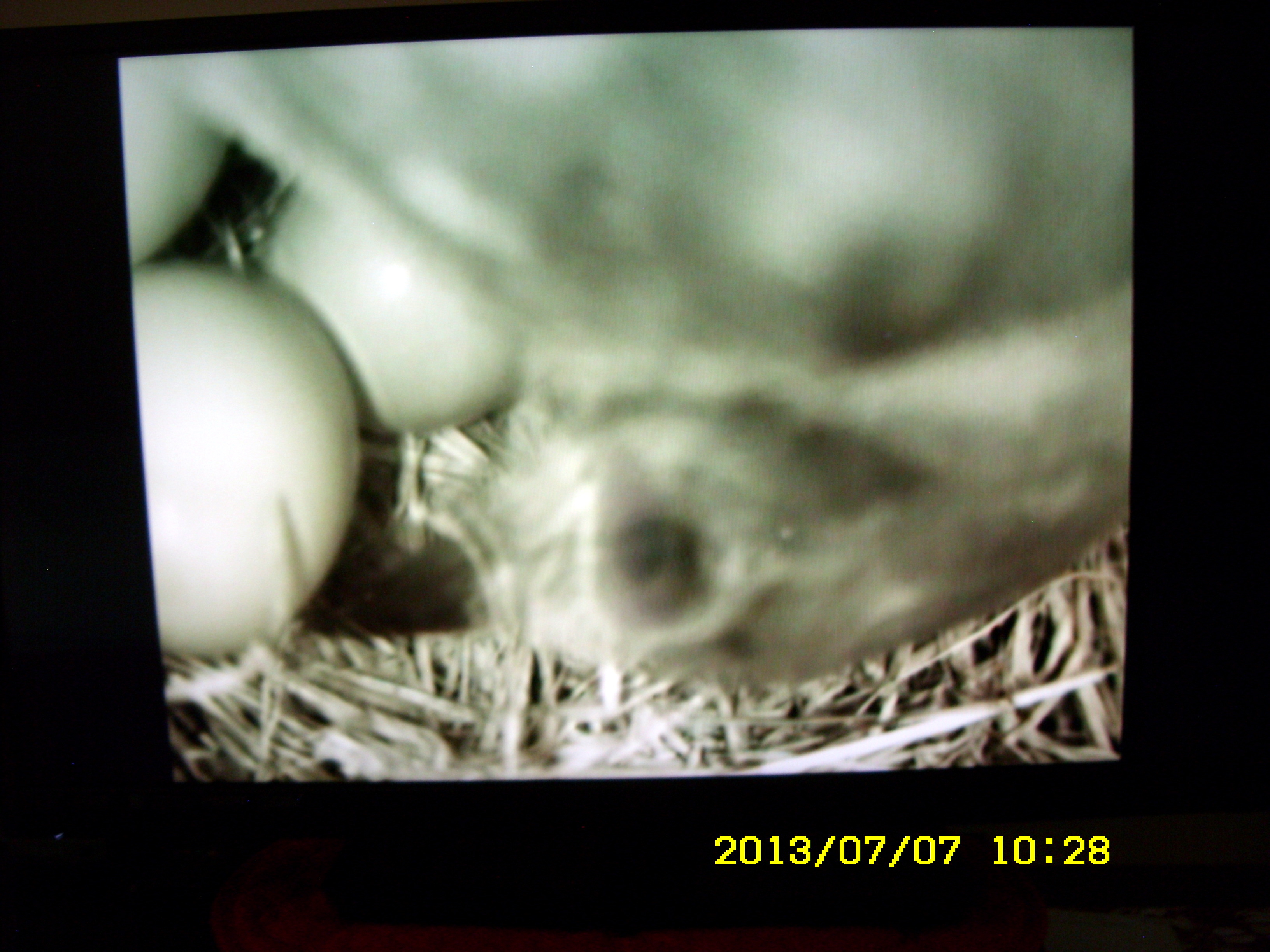
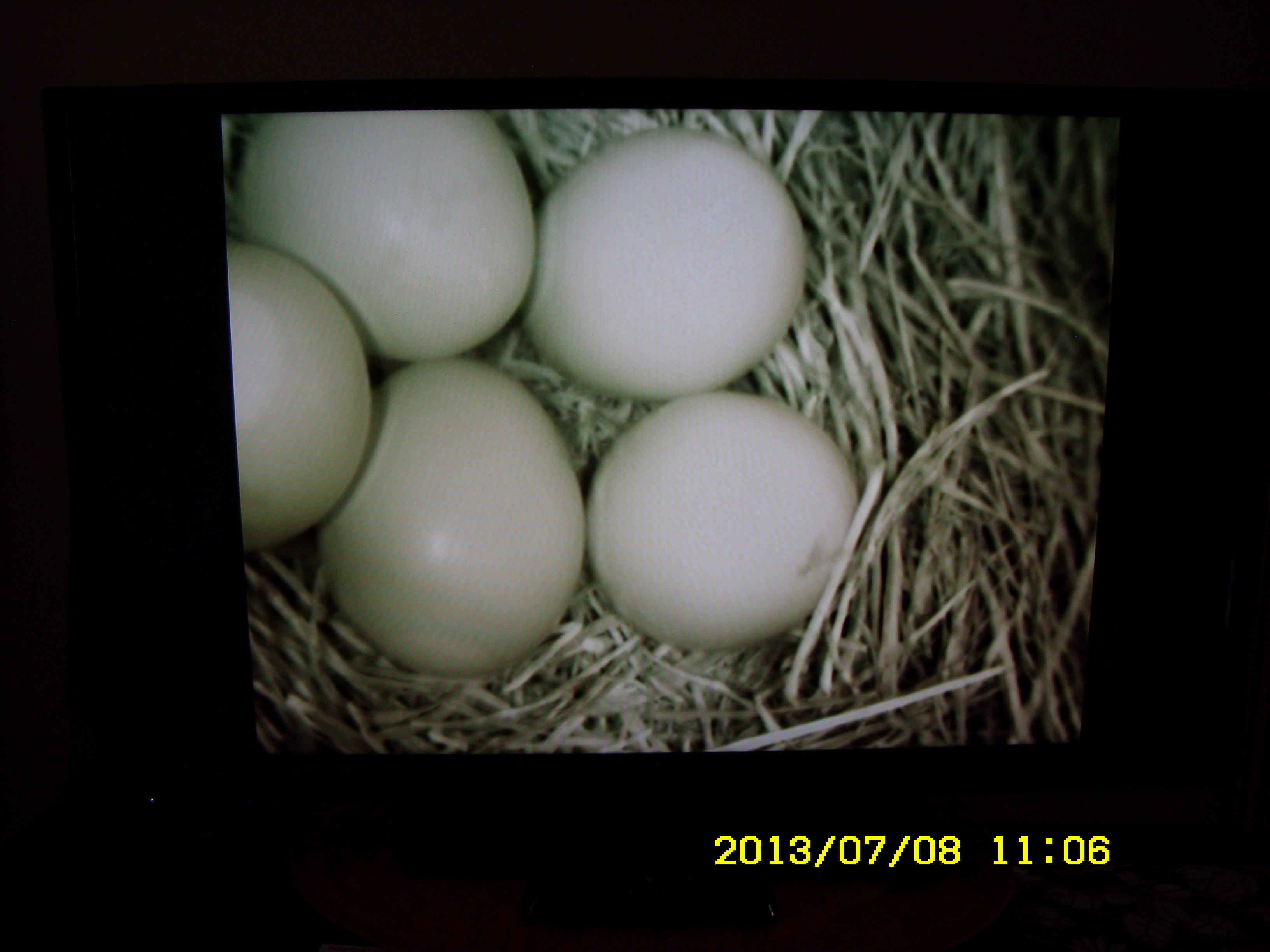
 I’m thrilled!! Look what I found in my Bluebird house this morning. I didn’t need to leave the comfort of my living room; I didn’t have to go out in the rain. Needless to say, I’m delighted with the Hawk Eye Nature Cam now that the lens is focused.
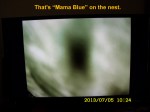
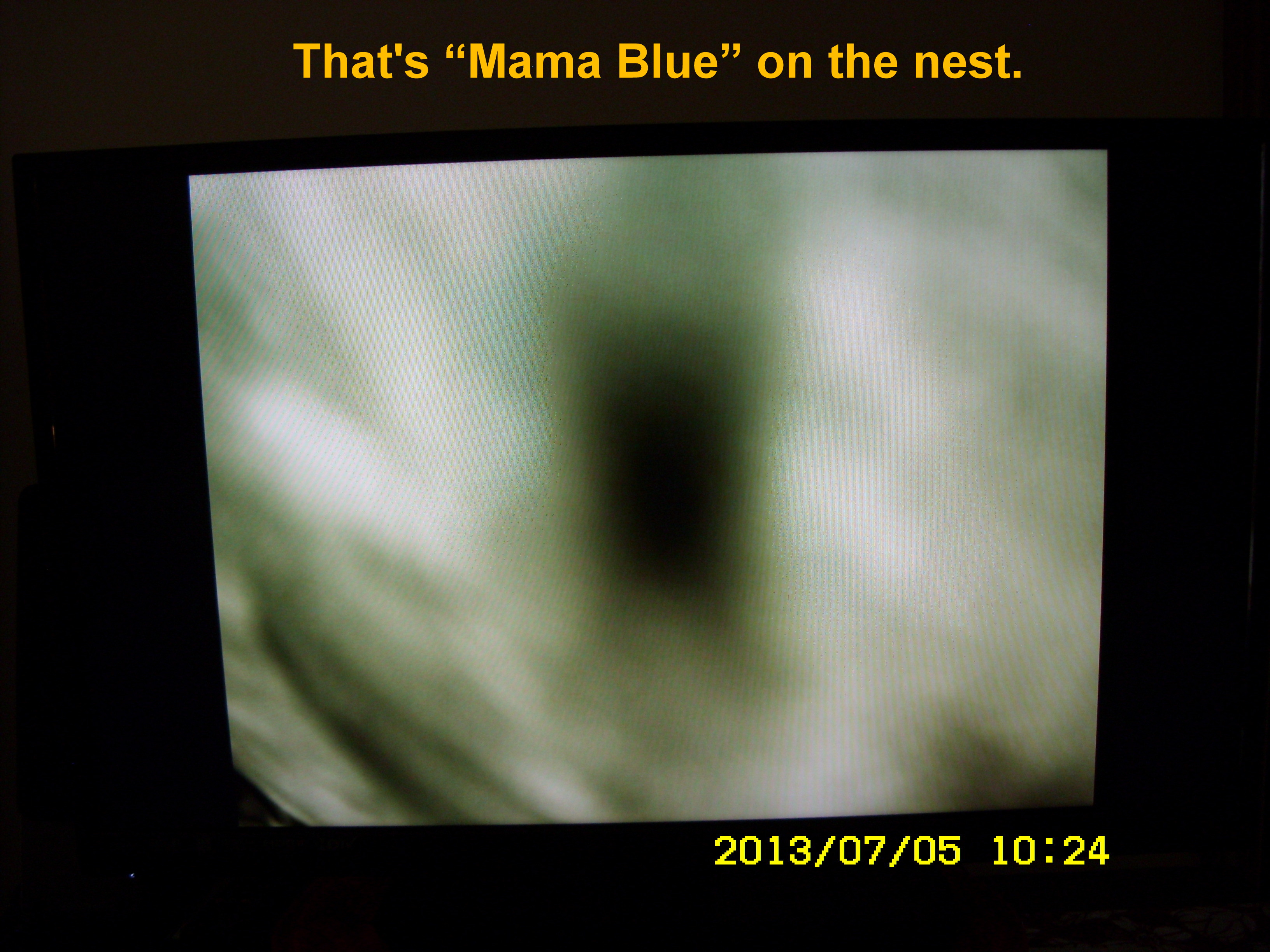
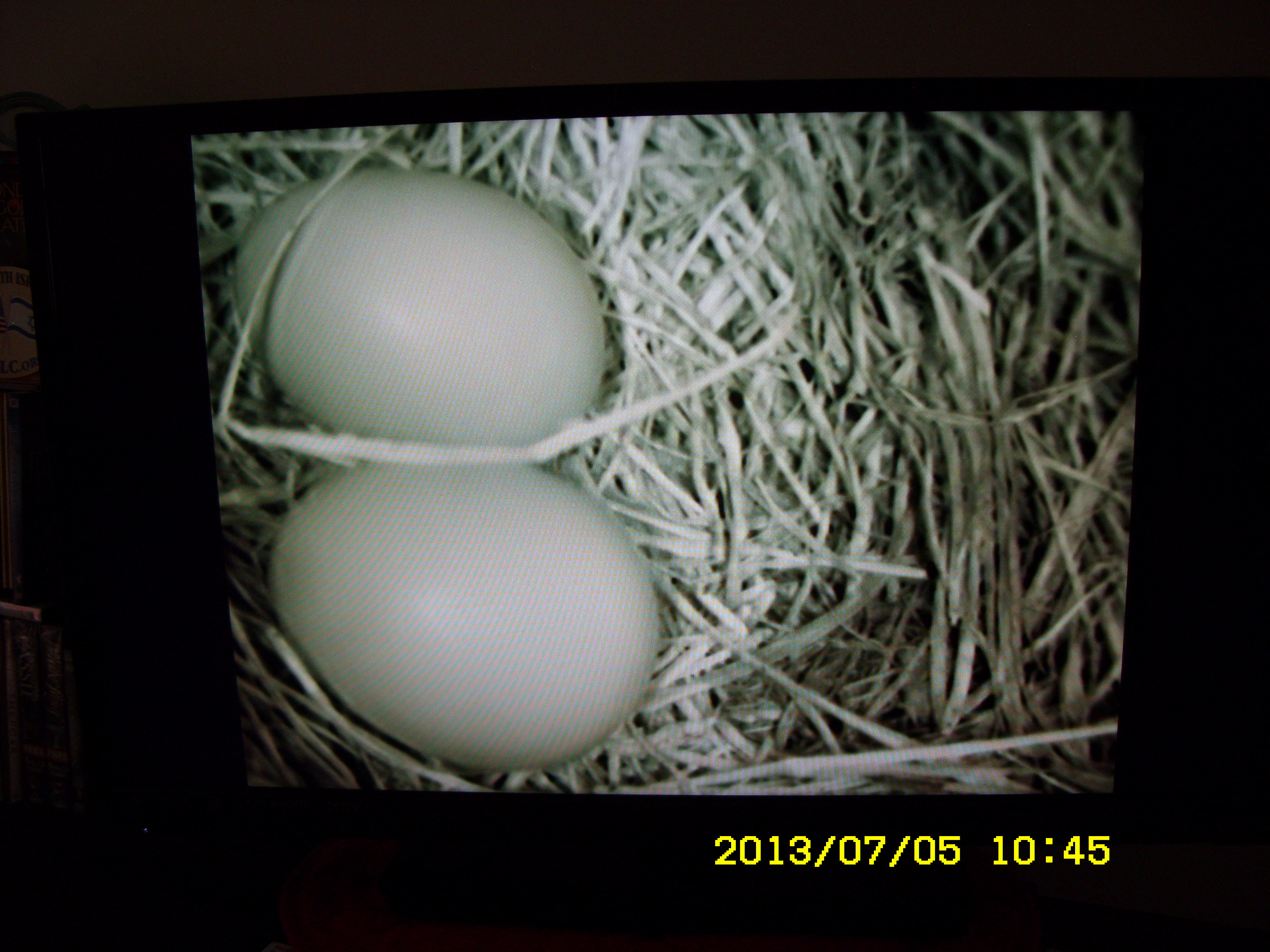
 Oh, the joy of the camera!! “Mama Blue” was on the nest and I speculated she might produce another egg. Minutes later, we have two little Bluebird eggs!!
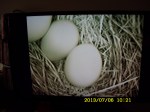
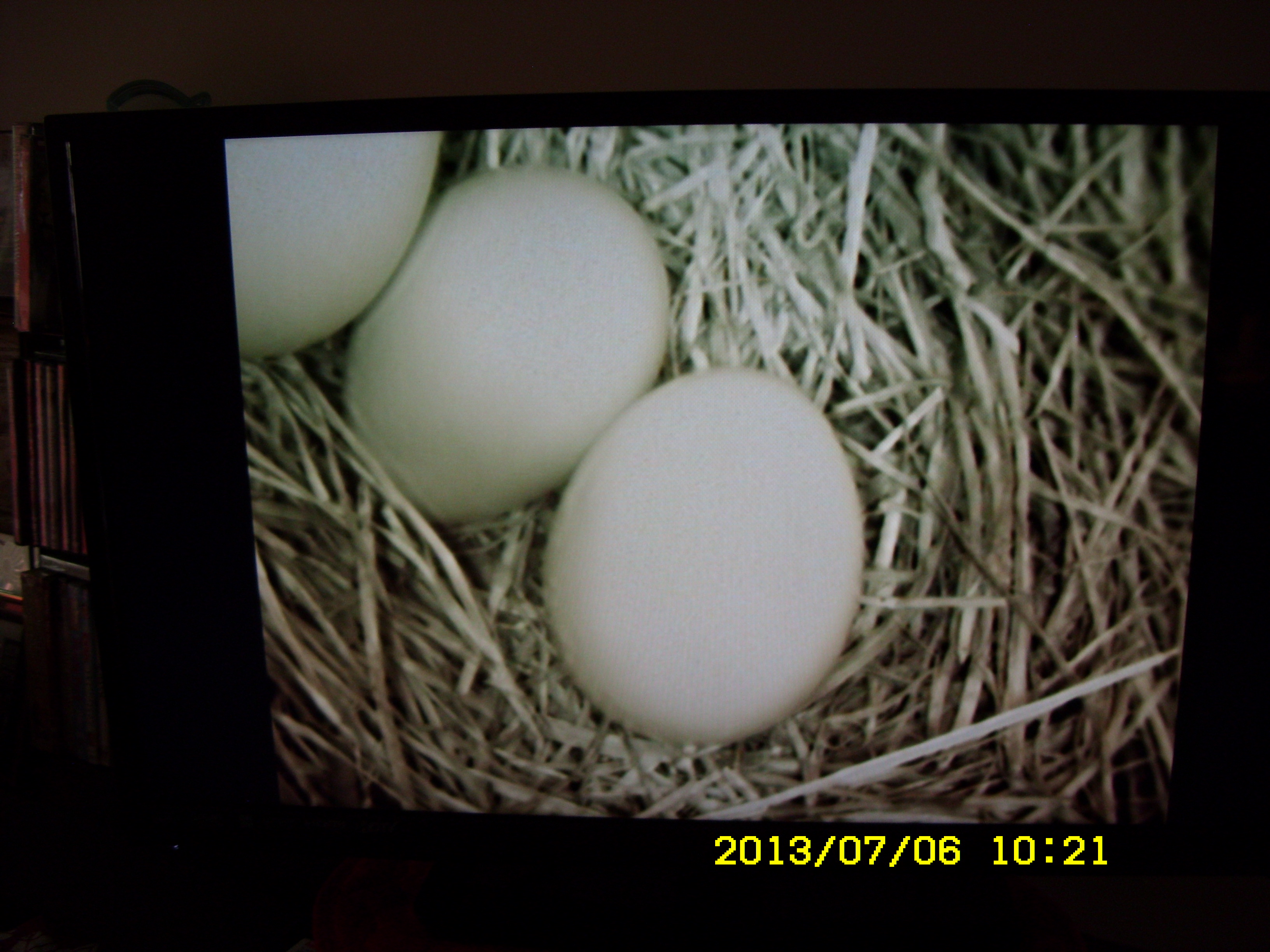
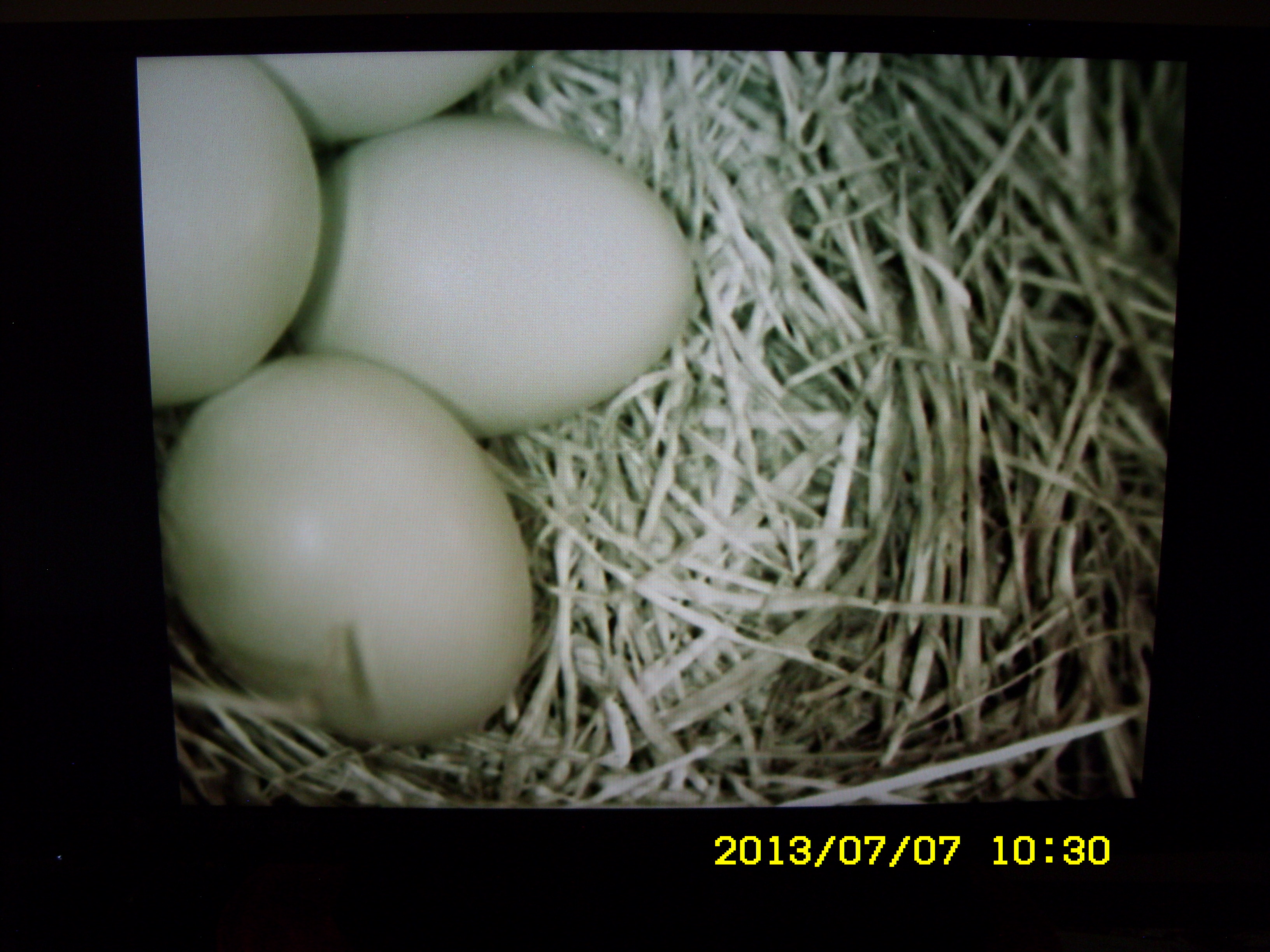
Postscript, Saturday, July 6th, 10:25: “Mama Blue” was on and off the nest for an hour. Finally I was rewarded with a picture of the third egg.

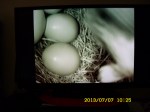
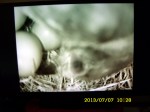
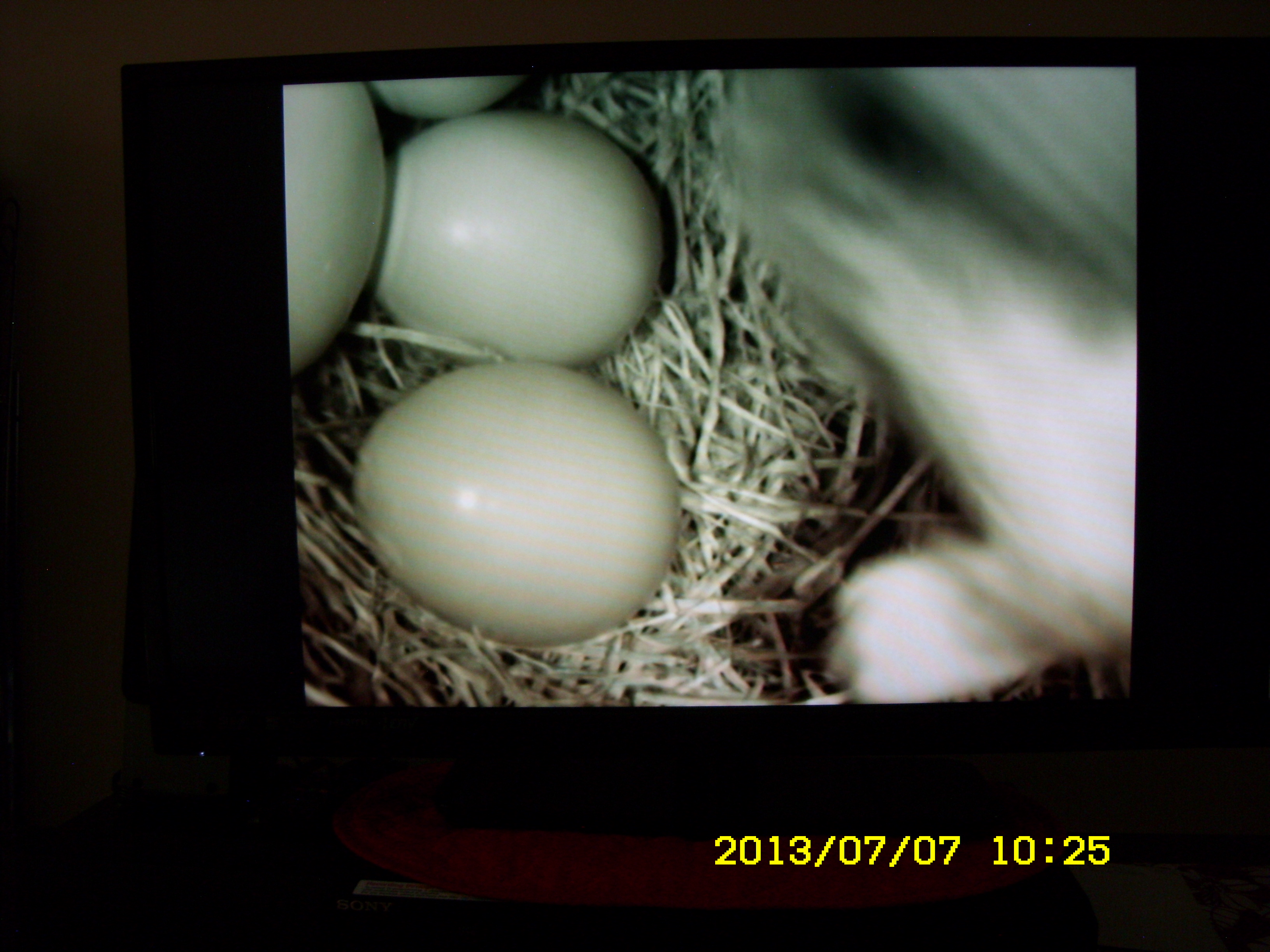
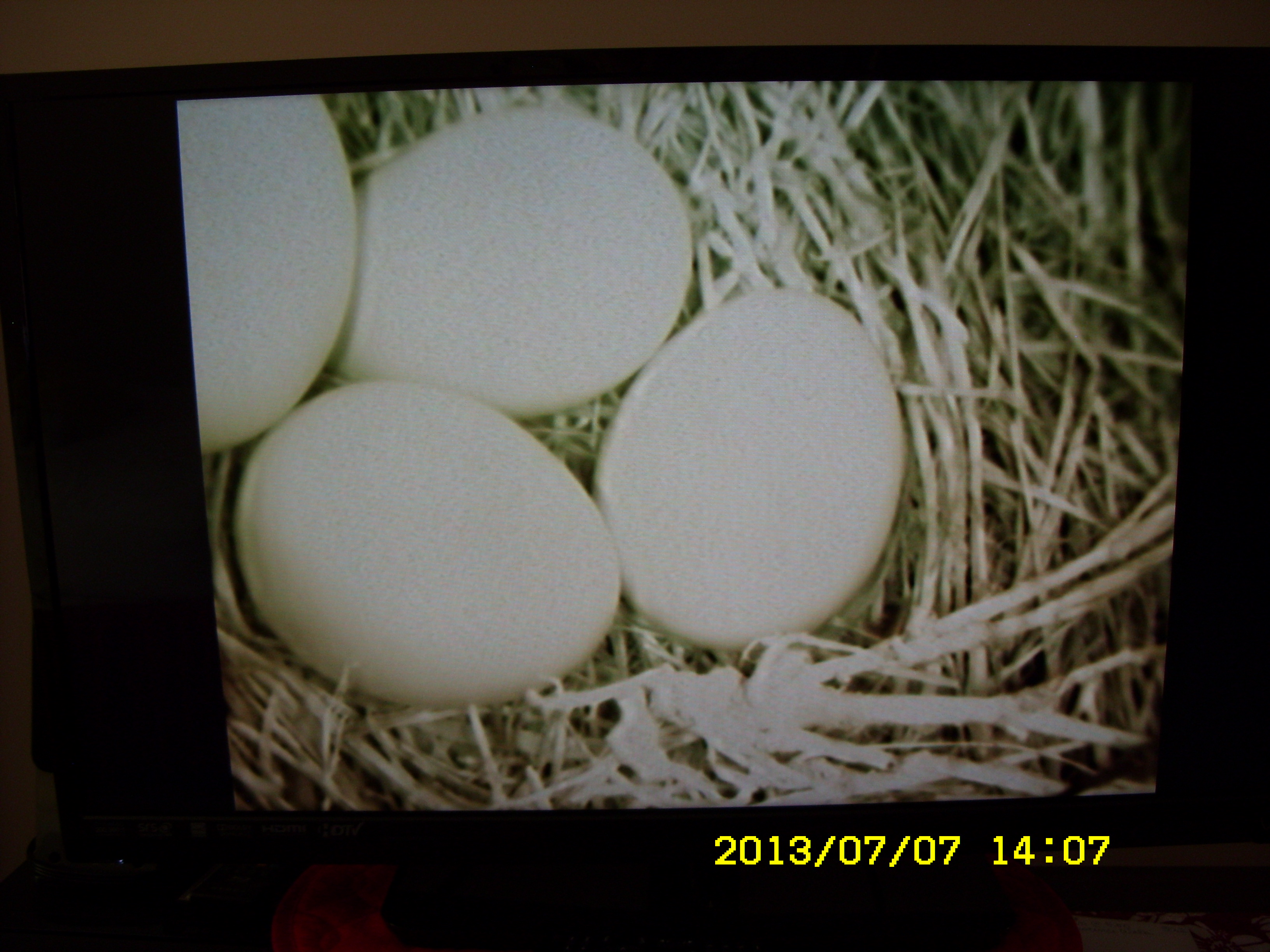
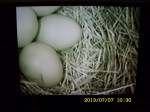 Postscript, Sunday, July 7th, 10:55: “Mama Blue” spent more time on the nest today. A couple of times she moved the eggs. Finally I was rewarded with a picture of the fourth egg. (Yes, I was held captive for over half-hour waiting for those pictures.)
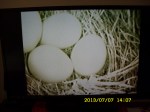

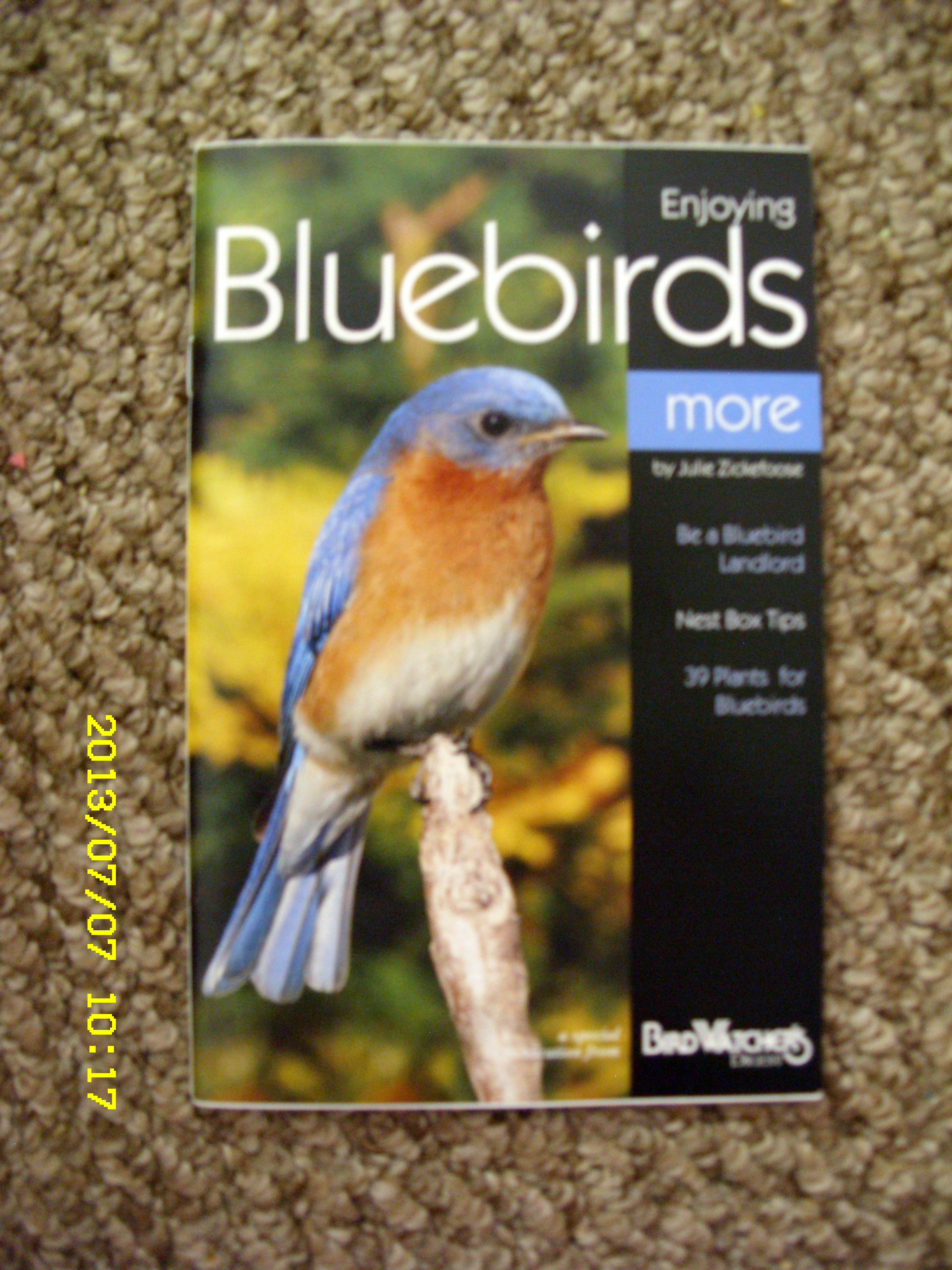
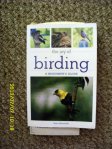 July 7th, 2:00 PM: I speculate that “Mama Blue” has begun to incubate the eggs. She is spending more time in the nest–and she periodically moves the eggs. I consult books, and the Internet, for my information. From Enjoying Bluebirds: “Nest building 1-6 days; Egg laying 5-7 days; Incubation 12-14 days; Brooding 6 days; Fledging 16-21 days.” According to that info, in less than six weeks we’ll have completed the cycle and I’ll be “an empty nester” (again).
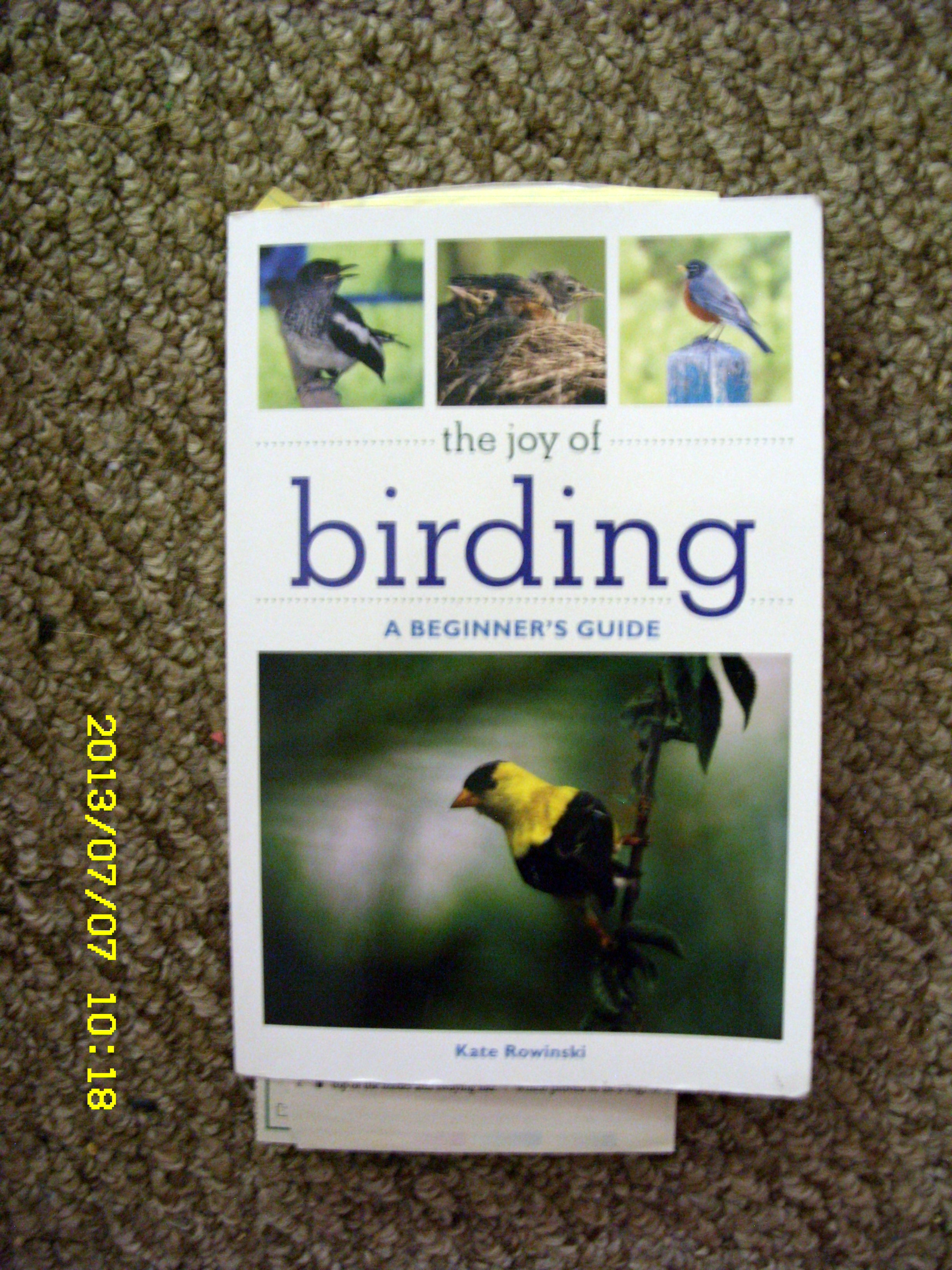
From The Joy of Birding, A Beginner’s Guide, by Kate Rowinski, pp. 63-64:
EASTERN BLUEBIRD This small thrush is a darling little bird with a big, rounded head, large eyes, and a short, straight bill. He has a plump body with a distinctive white belly and a perpetually alert posture on his short legs. It is no wonder his likeness is a favorite feature in Disney Movies!
The male eastern bluebird has a rich blue back, with a rusty-red throat and breast. He has a short ‘chir-wi’ warble as well as a song that sounds like ‘chitti wew we we do.’ He makes a great show of being a homeowner, attracting females to his chosen nesting location by carrying nesting materials in and out of the hole and posturing at the entrance by fluttering his wings. Once he has selected a space, he is fierce in its defense, attacking any birds he considers a threat, whether they are cavity-dwellers or not. That’s pretty much his entire contribution to the brooding process, however. Once he attracts a mate, he leaves the rest of the nest-building to her. He tends to be a one-woman bird; when a pairing has been established, a bluebird couple will often stay together for several seasons.
Female eastern bluebirds have similar markings to the male, but their colors are more subdued. The female’s back is an elegant gray with tinges of blue on wings and tail. Although her breast is a softer orange-brown than the male’s, her white belly is just as easy to spot. After the male has chosen the nesting site (usually a natural cavity in a dead tree, or a hole left behind by a woodpecker), the female weaves together her nest using grasses and pine needles. She may have more than one brood each year. An early brood will leave their parents during the summer; however, if she has a later brood, they may choose to winter with their parents. The female will use the same nest for both of her broods.
Eastern bluebirds are fun to watch for, because you can often spot them perching alertly on wires or fence posts in open spaces. They like open country with sparse ground cover for hunting, so human environments such as parks, backyards, and golf courses are attractive to them.
Eastern bluebirds have keen eyesight–a trait they need for catching sight of their insect prey and dropping to the ground to grab them. Most of their diet (approximately two-thirds) is insect-based. They eat grasshoppers, crickets, and beetles, but will also indulge in earthworms, spiders, and snails. Fruit and seeds from shrubs like dogwood and hawthorn are an important part of their fall and winter diet.
Eastern bluebirds don’t frequent conventional bird feeders, although they are happy to oblige if you choose to offer live mealworms. They are also attracted to birdbaths. The best way to bring them to your yard is by offering nest boxes. Because competition for tree cavities is fierce among species, a nest box can be a welcome option.
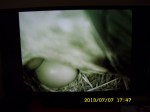 Late afternoon (5:50) and I’m still monitoring the nest. I’m delighted (beyond words) with the images from the camera in the Bluebird house.
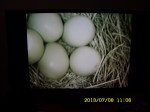 Postscript, Monday, July 8th, 11:55: Wow exciting!! A fifth Bluebird egg!!












 Three Quarters & Counting